From the Field to the Core Shed
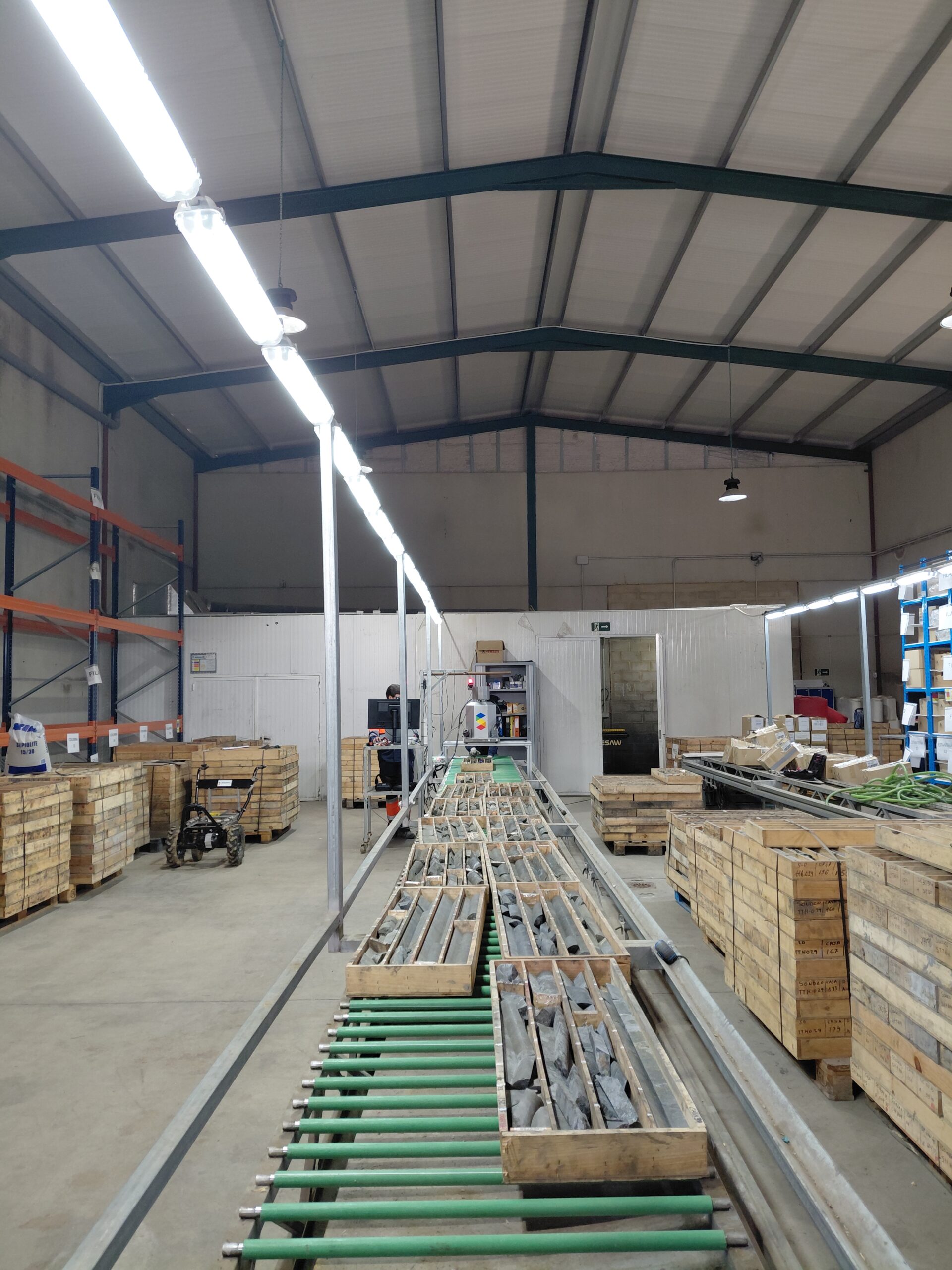
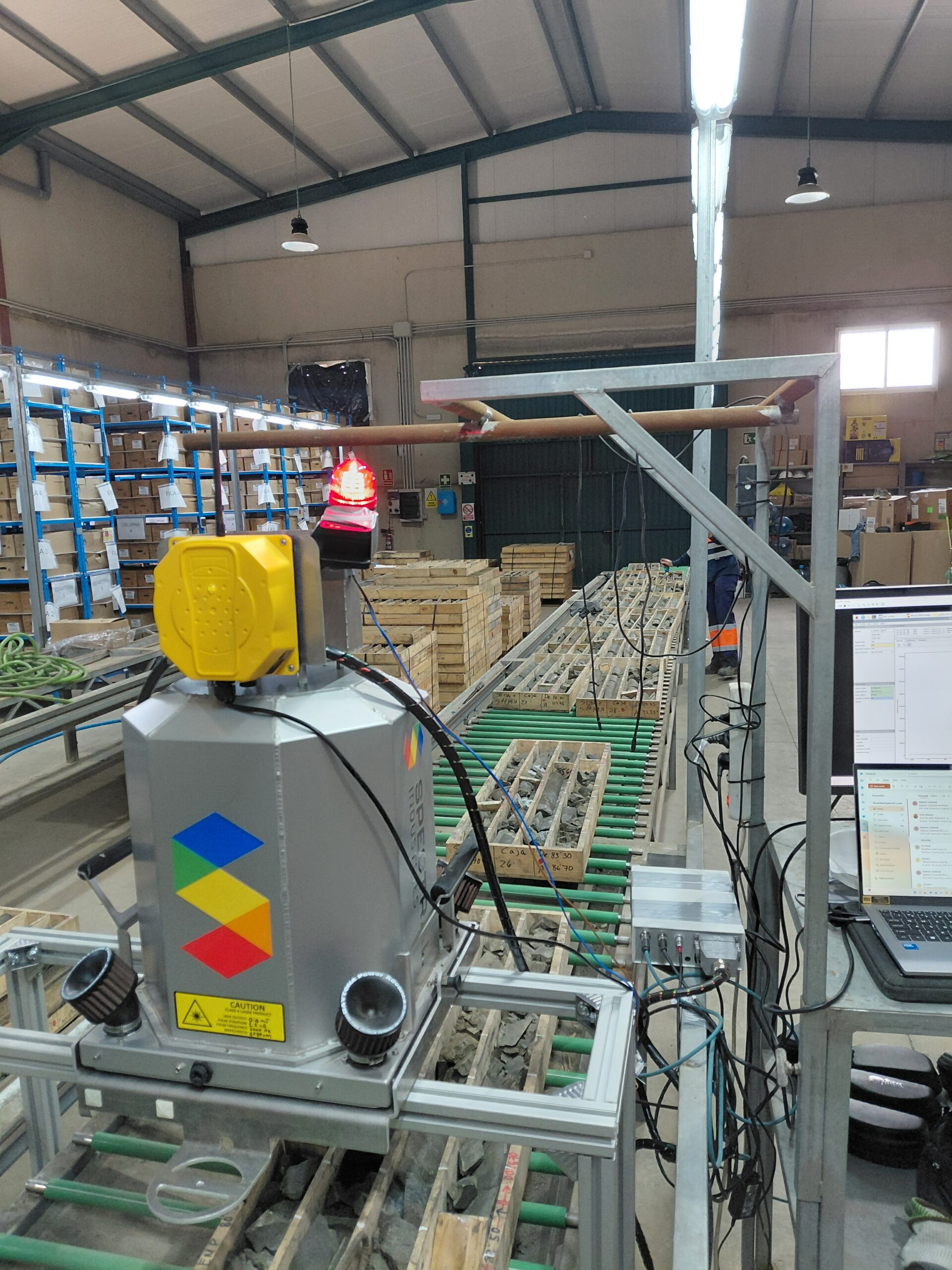
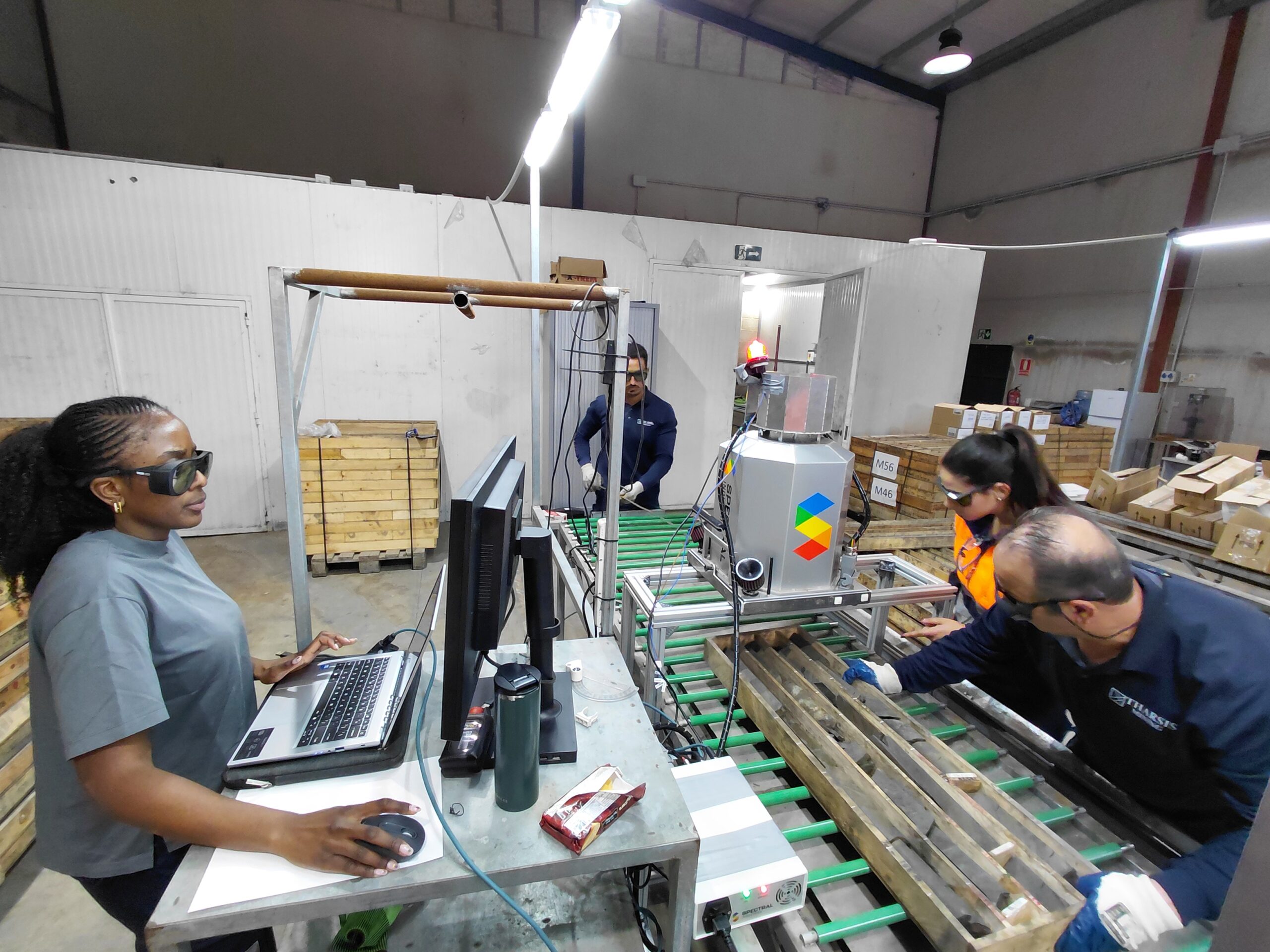
The same mobile Laser-Induced Breakdown Spectroscopy (LIBS) sensor, manufactured by Spectral Industries and used in the field at Tharsis last year, was brought into the Tharsis mine core shed in April 2026, demonstrating its flexibility for on-site geological analysis.
A total of 141.2 meters of drill core from the Tharsis brownfield site was successfully analysed using the Spectral Industries LIBS system. The work focused on massive sulphides and stockwork mineralization from the Filón Norte–San Guillermo orebody. The analysis covered two drill holes, representing different styles of mineralization. Measurements were collected at high resolution, providing a detailed picture of changes in elemental composition throughout the drill cores.
The LIBS measurements were used to develop models for several key elements associated with the mineralization, including manganese (Mn), zinc (Zn), mercury (Hg), iron (Fe), sulphur (S) and copper (Cu).
Why it matters
The work demonstrates the potential of mobile LIBS for rapid, high-resolution geochemical analysis at the mine site. The technology provides chemical information directly from spectra collected from drill cores and can complement conventional laboratory assays. Furthermore, this methodology will allow to characterize how grades vary along the drill core and help identify different types of mineralization. Once the data analysis workflow is automated, it could accelerate geological interpretation and improve the efficiency of mineral exploration. In doing so, it supports the Mineye project’s objective of developing smarter exploration workflows.
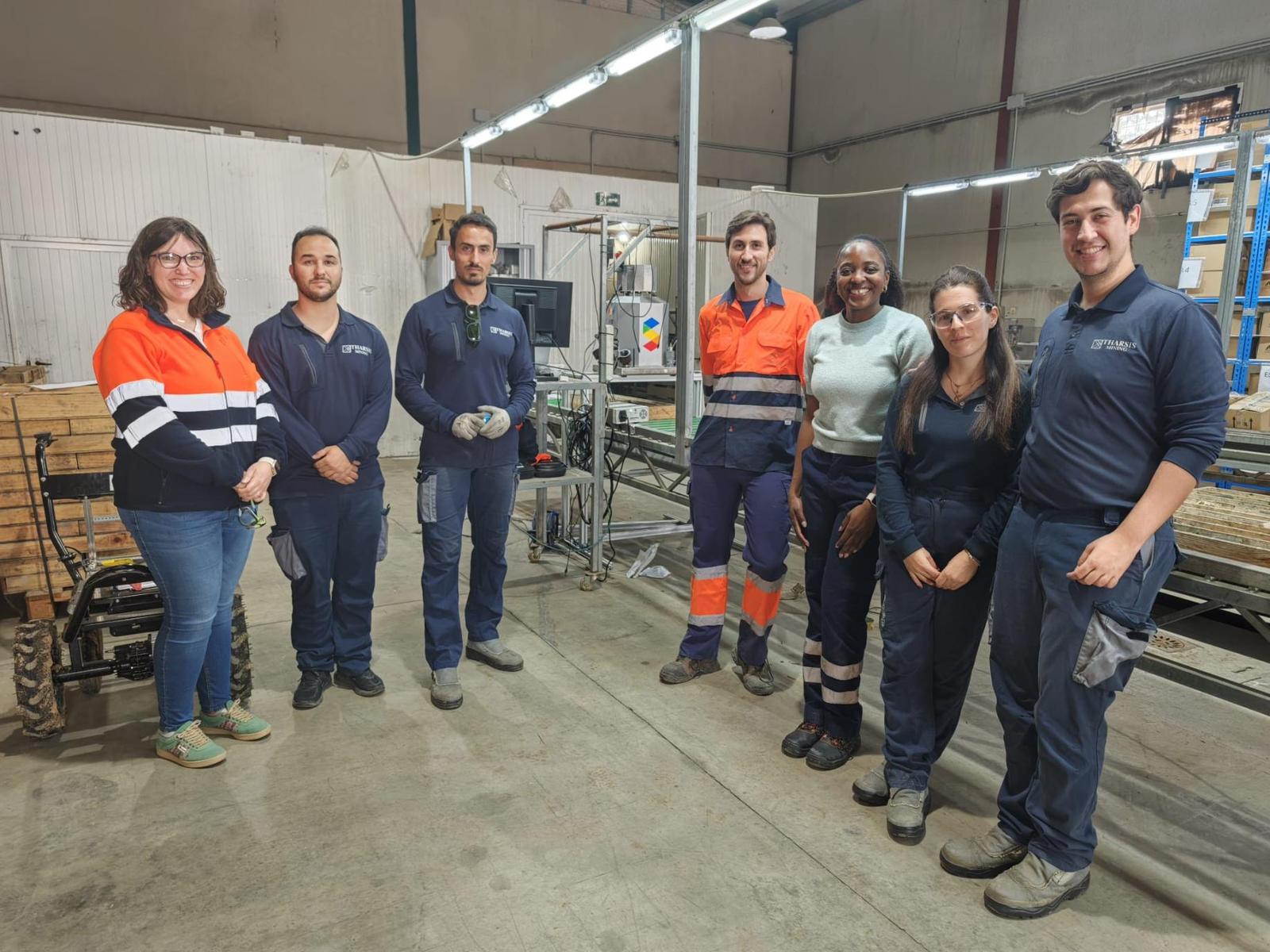
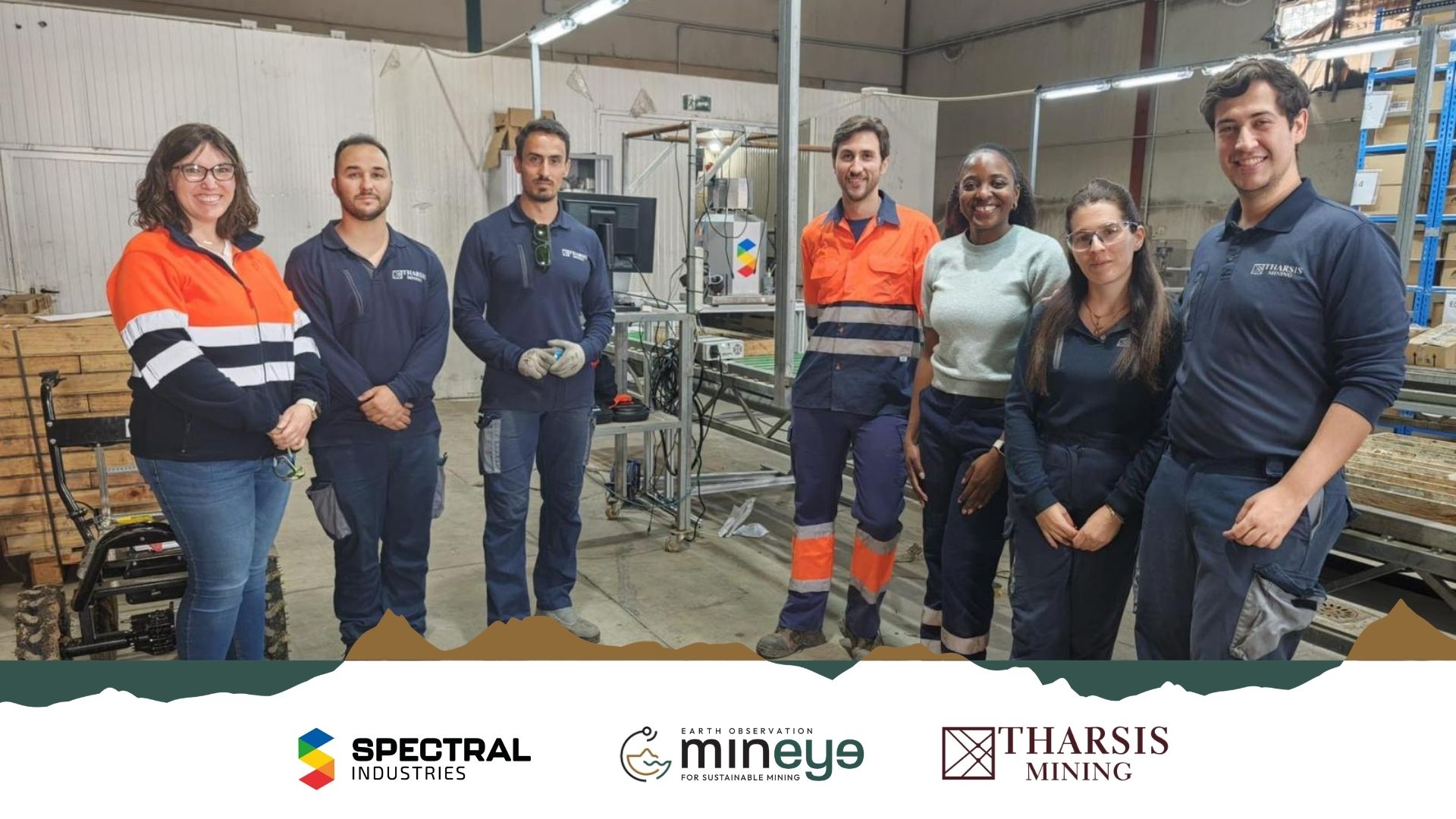
The case study was performed by Mineye partners: Spectral Industries (Jorgina Akushika) in collaboration with Tharsis Mining (Daniela Carolina Paz Gómez, Daniel Redondo Romero, Tamara Martínez Manjavacas, Elena Pérez Barriga, David Pimiento Arteaga, Martín López del Río).